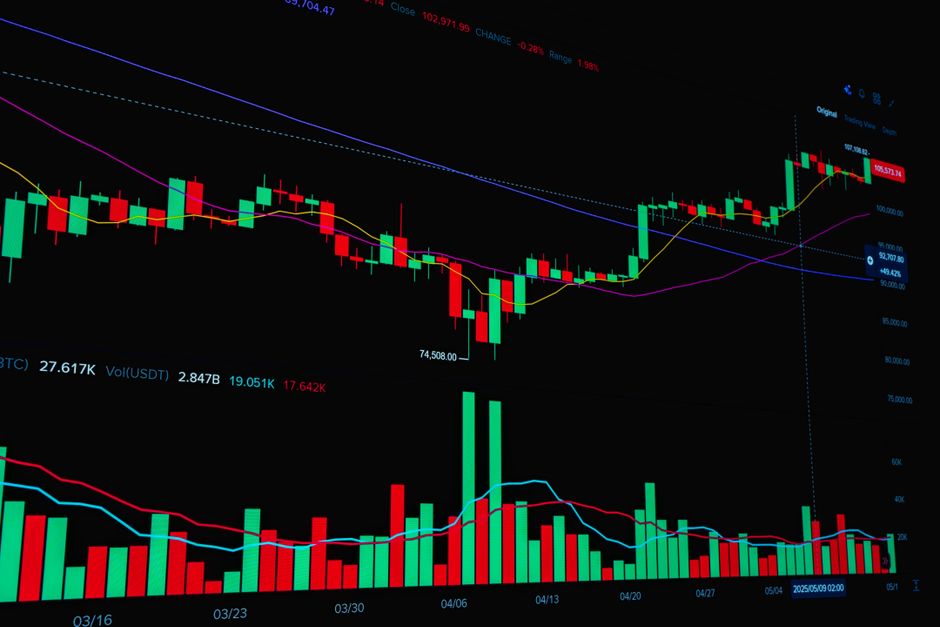
Watch the price action settle into the first fifteen minutes of the session before identifying the potential for a reversal. The patterns recorded at orb trading forex hopefaithministries highlight how an opening range breakout often fails when it meets the massive liquidity injection of a new market open. This specific intraday phenomenon involves a trap where the initial momentum of an orb meets a wall of institutional orders from the incoming session.
The Mechanics of Session Liquidity

The initial move during the first hour often creates a false sense of direction. A strong push toward a session high frequently attracts breakout traders who believe the trend will continue. However, when a new market session begins, the influx of volume often provides the counterforce needed to reverse the previous trend. This shift is not random. It occurs because the liquidity provided by the new session often fills the orders left behind by the early participants. A failure to hold the levels established during the premarket period serves as the primary signal for a fade.
Identifying the Reversal Setup

A trader looks for the price to penetrate the edge of the thirty minute range and then quickly reclaim the interior of that range. If the price moves outside the opening range and then fails to sustain that move as the next session begins, the reversal potential increases. The momentum of the opening bell often carries enough force to trigger stops, but the subsequent volume from the new session provides the fuel for the actual move in the opposite direction. Monitoring the 15 minute candles provides clarity on whether the breakout is a genuine trend or a liquidity grab.
Execution and Timeframe Selection
Timing the entry requires precision. Waiting for a candle to close back inside the established boundaries prevents entering a runaway trend. Using a 5 minute chart allows for tight stops placed just beyond the recent swing high or low. The goal is to capture the swing back toward the mean of the day. A common mistake involves entering too early during the initial volatility. A successful trade requires the price to prove it cannot hold the new territory before the fade is initiated. The transition between sessions provides the necessary volatility for these moves to develop quickly.
Risk Management in Volatile Transitions
Managing the position involves recognizing that the volatility of a session transition is higher than the overnight session. Stops must account for the expanded spreads and sudden spikes in movement. A trade that moves in the intended direction should be scaled according to the strength of the volume. If the price remains stuck at the edge of the opening range without reclaiming the interior, the setup is invalid. The data shows that the most profitable fades occur when the initial breakout lacks the volume to sustain itself against the incoming session flow.