
Many traders enter a position during the initial momentum surge and find themselves trapped as the price reverses. The data at orb trading forex hopefaithministries shows that these false moves often precede the actual intraday trend. Identifying a failed opening range breakout requires watching the price reject a level rather than chasing the candle. This mechanical approach focuses on the failure of a breakout to sustain itself beyond the established boundaries.
The Mechanics of the False Break
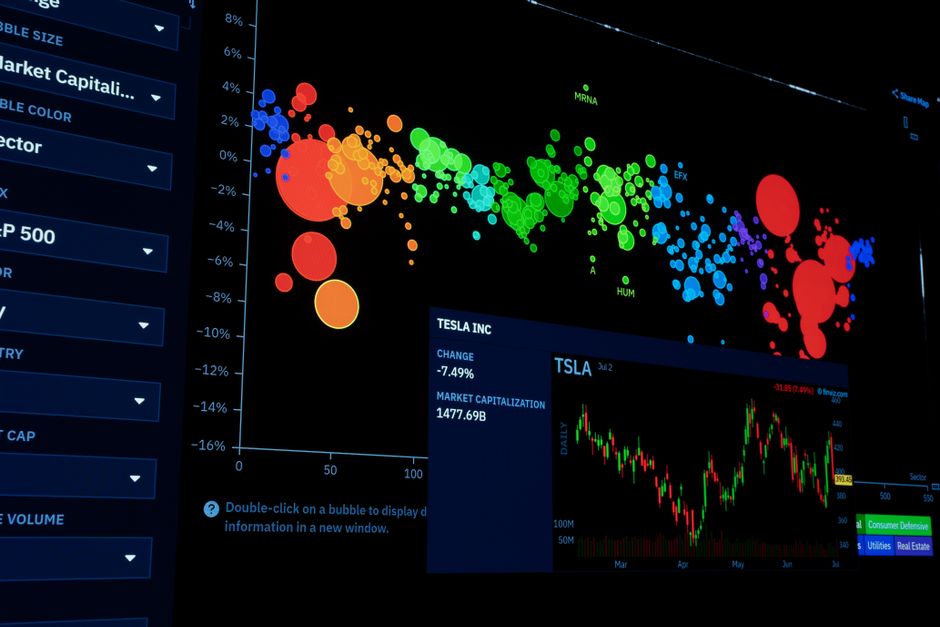
The procedure begins with the identification of a clear horizontal boundary. This boundary is typically set by the high or low of the first fifteen minutes of the session. Once the market open occurs, price often attempts to push through these levels to trap liquidity. A false break happens when the price moves outside the established zone but fails to find follow through. The price must stall and then move back toward the original boundary. This movement signals that the breakout lacked the volume or conviction to maintain the new direction.
Executing the Reclaim Trade
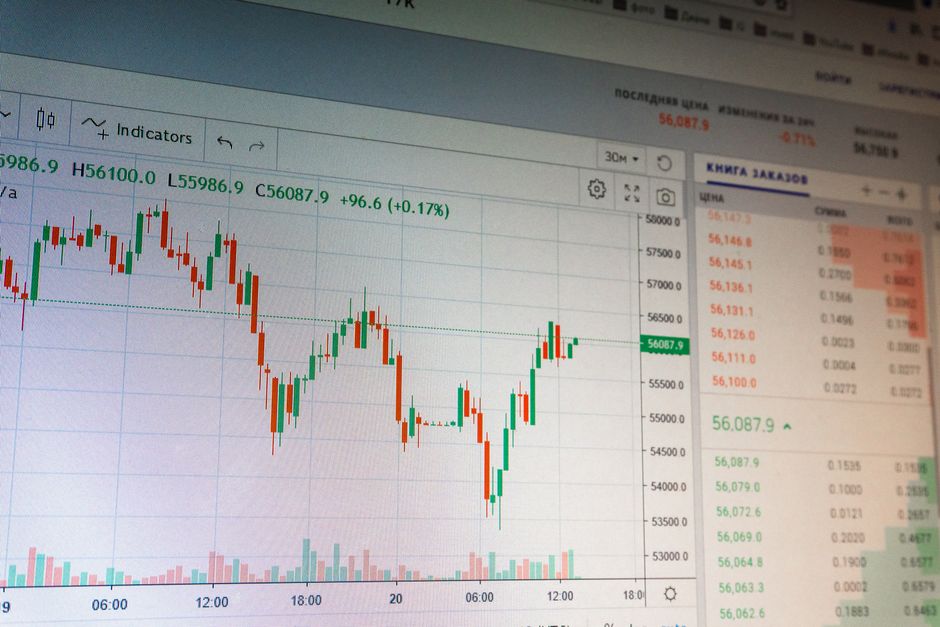
Execution occurs only after the price re-enters the original zone. If the fifteen minute range was the benchmark, the trader waits for a candle to close back inside that boundary. A close back inside the range provides the signal. This reclaim indicates that the previous move was merely a liquidity grab. The trade is placed on the close of the reclaiming candle. Stop losses are placed just beyond the recent session high or low created by the failed excursion. This ensures the position is neutralized if the false break turns into a genuine breakout.
Defining the Boundaries
Different timeframes provide different levels of significance. A thirty minute range offers more stability than a 5 minute chart. Using a larger timeframe reduces the noise inherent in the first hour of trading. The thirty minute range is a common standard for this procedure. The trader marks the high and low of that specific period. Any subsequent move outside those marks is monitored for the return. The size of the initial breakout attempt matters. A massive spike followed by a quick return is a stronger signal than a slow drift.
Risk and Management
Position sizing must account for the volatility seen during the regular trading hours. The distance between the reclaim candle and the failed breakout point determines the risk. If the failed move was too large, the stop loss becomes too wide to maintain a proper ratio. In such cases, the setup is ignored. The objective is to capture the move back toward the opposite side of the range. This method relies on the fact that failed breakouts often lead to rapid, directional shifts as trapped participants exit their positions.