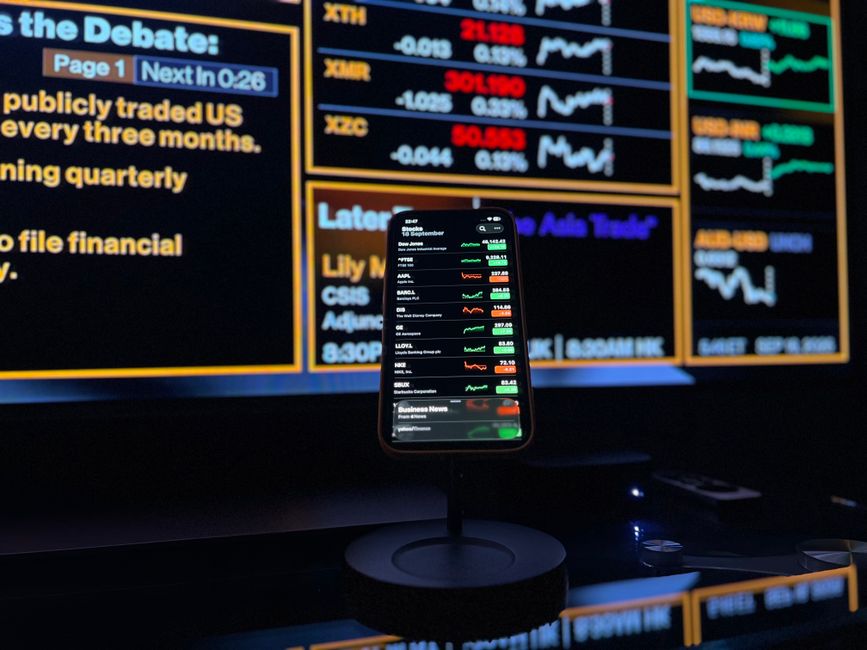
The sharp crack of a candle wick hitting a resistance level often signals a failed move, and every teardown orb trading forex hopefaithministries has logged shows the same thing regarding the lack of volume during fakeouts. A false opening range breakout occurs when price drifts past a boundary without enough participation to sustain the momentum. In the context of intraday trading, volume serves as the mechanical verification of intent. Without a spike in relative volume at the moment of the breach, the move lacks the fuel required to clear the order book.
The Mechanics of Volume Confirmation

A breakout requires a surge in liquidity to overcome the liquidity clusters sitting just beyond the established boundary. When price crosses the high of a fifteen minute range, the volume bar for that specific candle must exceed the average volume of the preceding candles. If the volume remains flat or declining during the breach, the move is likely a liquidity grab designed to trigger stops before a reversal. A valid move shows a distinct, measurable increase in activity compared to the premarket period. This distinction separates a genuine shift in sentiment from a mere price fluctuation.
Identifying the Volume Spike
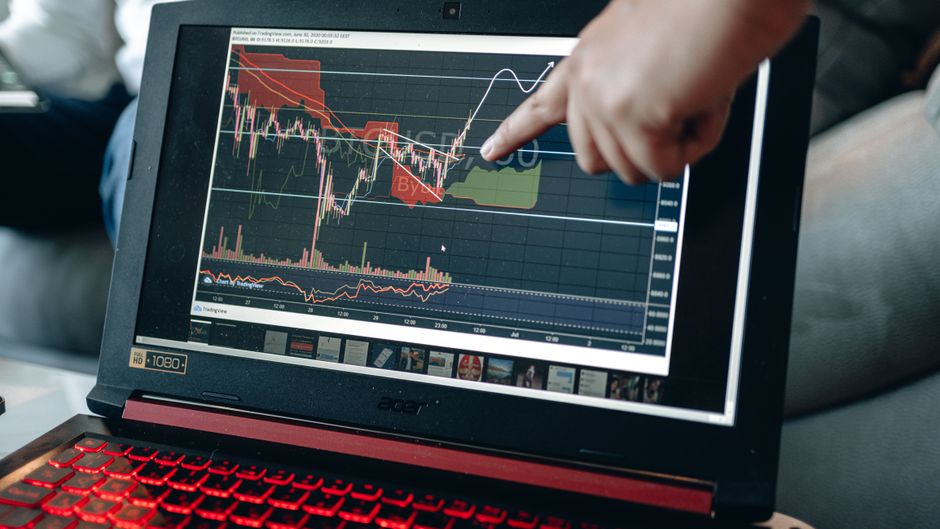
The first fifteen minutes of the session provide the baseline for measuring relative activity. During the market open, volume is naturally high, but the ratio of volume to price movement tells the real story. A low volume breach of a thirty minute range suggests that the orders are thin and easily absorbed by the opposite side. Conversely, a high volume breach indicates that institutional participants are aggressive. The mechanical requirement is a volume spike that aligns with the direction of the break. If the price moves up but volume moves down, the breakout is invalid.
Timeframe Synchronization
Selecting the correct timeframe dictates the signal quality. A breakout on a five minute chart requires a different volume profile than a breakout on a sixty minute range. Small timeframes produce more noise, meaning the volume spike must be more pronounced to be considered significant. Data from the first hour of regular trading hours shows that volume-weighted breaches have a much higher probability of reaching the next liquidity zone. A small sample of trades without volume validation overstates the edge and leads to high failure rates during choppy sessions.
Validating the Session High
The session high often forms after a series of failed attempts. A legitimate breach of the previous session high must be accompanied by a volume profile that shows heavy buying or selling pressure. If price reaches a new level on tapering volume, a mean reversion is the statistical likelihood. Successful trades rely on the confluence of price position and volume intensity. Measuring the delta between the current volume and the average volume of the opening range provides a concrete metric for execution. This method removes the guesswork from the process.