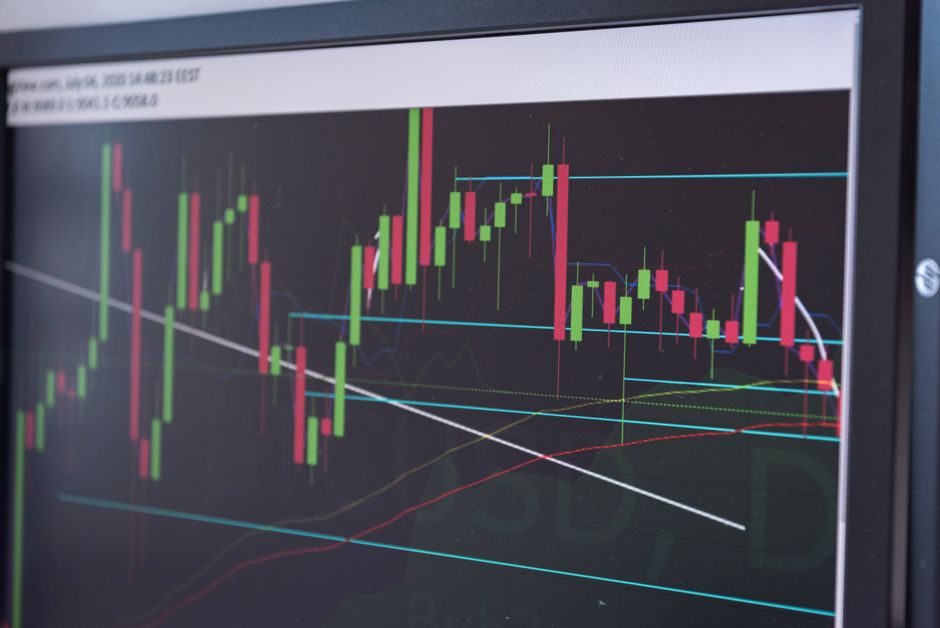
Price movement follows strict boundaries established at the start of a session. Technical analysis documented at orb trading forex hopefaithministries focuses on how volatility settles after the initial burst of the opening range breakout. This specific method of managing intraday positions relies on the physical structure of the early price action rather than arbitrary pips or percentages.
Defining the Boundaries

The first stage of the process involves identifying the high and low of a specific period. A trader selects a fixed timeframe such as the fifteen minute range to define the initial volatility. Once the market open occurs, the high and low points of that period become the structural anchors. These levels serve as the basis for all subsequent risk management. Using a 15 minute window provides enough data to filter out noise while still capturing the direction of the trend. The session high and the corresponding low represent the limits of early participation.
The Mechanics of Trailing

Trailing a stop requires a mechanical rule to prevent premature exits during minor pullbacks. Instead of moving a stop based on a fixed distance, the stop moves only when a new structural level is formed. In a long position, the stop remains at the low of the initial orb until price creates a new swing low above that level. This logic treats the opening range as a floor. As the trend develops, the stop follows the ascending series of lows. A failure to respect these levels indicates a change in market character.
Timeframe Selection
Different assets require different windows of observation. A 5 minute window captures rapid shifts but often results in being stopped out by noise. Conversely, a sixty minute range offers a much wider buffer but lags behind fast-moving trends. Most professional setups utilize the thirty minute range to find a balance between responsiveness and stability. The choice of window dictates the frequency of trades and the average hold time. A smaller timeframe requires tighter discipline to avoid the impact of random volatility during the first hour of trading.
Execution and Risk
Applying this logic to an intraday trend requires patience. A stop is placed at the bottom of the opening range at the start of the trade. The stop is never moved toward the entry price, only away from it. If the price breaks the session high and then pulls back to a new minor low, the stop moves to that new low. This ensures the profit is locked in without exiting during a standard retracement. This mechanical approach removes the need for subjective decision making during the heat of the session.
Structural Integrity
The effectiveness of the stop depends on the strength of the initial breakout. A breakout that occurs with heavy volume through the opening range provides a more stable floor. If the price oscillates around the boundary, the trend lacks the momentum to support a trailing stop. Watching how the price reacts to the first hour of data provides the necessary context for the rest of the day.