
Volatility dictates the boundaries of a successful intraday setup. The technical data in the running record orb trading forex hopefaithministries holds shows that a specific timeframe selection alters the signal frequency for an opening range breakout. Selecting a 15 minute or 30 minute window requires a mechanical look at the volatility present during the first fifteen minutes of the session.
The Mechanics of the 15-Minute Window

A 15 minute range captures the initial surge of volume immediately following the market open. This setting works best in high volatility environments where the price moves rapidly away from the opening bell. The narrowness of the 15 minute range creates tighter stop loss levels. A breakout from this tighter boundary often leads to faster execution. However, a 15 minute range can produce false signals during low volume periods. Noise often pushes the price outside the initial bounds before the true direction is established. Data shows that a 15 minute range requires a high volume spike to validate the direction of the trade.
The Stability of the 30-Minute Window
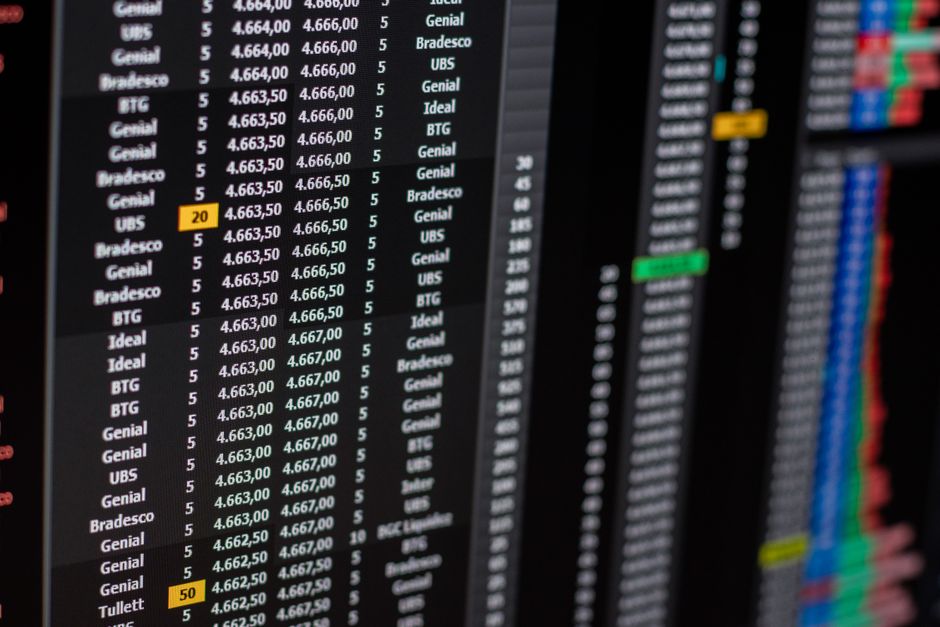
The 30 minute range provides a broader buffer against early session noise. This timeframe filters out the erratic movements that occur during the first few minutes of regular trading hours. Using a 30 minute range results in fewer total signals compared to the 15 minute selection. The trade setups derived from a 30 minute range often possess higher conviction because the price has had more time to find a level of support or resistance. A 30 minute range is better suited for assets that exhibit a slow build in momentum rather than an immediate vertical move. This selection reduces the frequency of being stopped out by minor fluctuations.
Volatility as the Deciding Factor
The decision between these two options depends on the average true range of the asset. High volatility assets favor the 30 minute range to avoid premature exits. Low volatility assets favor the 15 minute range to ensure enough movement exists to reach a profit target. If the price action remains compressed, a 15 minute range might never trigger a valid breakout. Conversely, a 30 minute range in a very volatile market might result in a range so large that the risk to reward ratio becomes mathematically unfavorable. The math of the trade dictates the choice.
Execution and Validation
Validation occurs when the price closes outside the established boundaries. A breakout is not confirmed by a mere touch of the line. A candle close above or below the 15 minute or 30 minute range is the mechanical requirement for entry. Once the opening range is set, the session high and session low become the primary levels for tracking momentum. Monitoring the volume during the transition from the premarket to the active session provides clarity on which range will hold better. The data provides the signal.