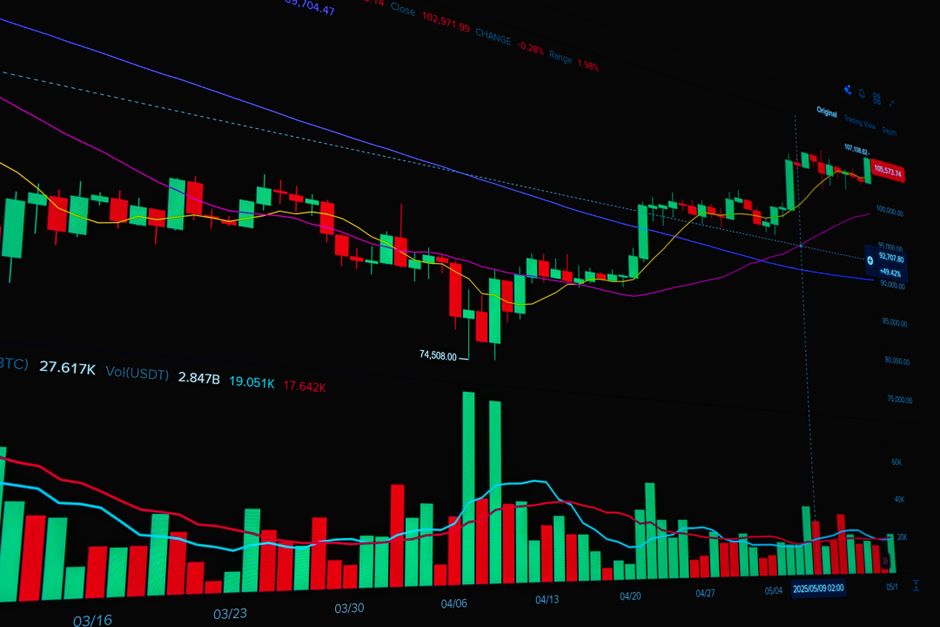
Price often looks like it is ready to reverse at the boundary. Instead, it frequently continues the initial momentum. The strategies discussed at orb trading forex hopefaithministries observe this behavior during a standard opening range breakout. Traders watch the first fifteen minutes to define the boundaries before looking for a secondary signal to confirm the move.
Defining the initial boundary

The process begins immediately after the market open. A specific timeframe is selected to establish the high and low of the initial movement. Using a five minute range provides a quick look at volatility, but a thirty minute range offers a more stable structure for intraday moves. Once the chosen period concludes, the high and low of that period become the levels for the session. No trades occur during this formation phase. The goal is to identify the zone where the price settles before the trend establishes itself. A premature entry during the first hour often results in being caught in a false breakout.
The mechanics of the second candle
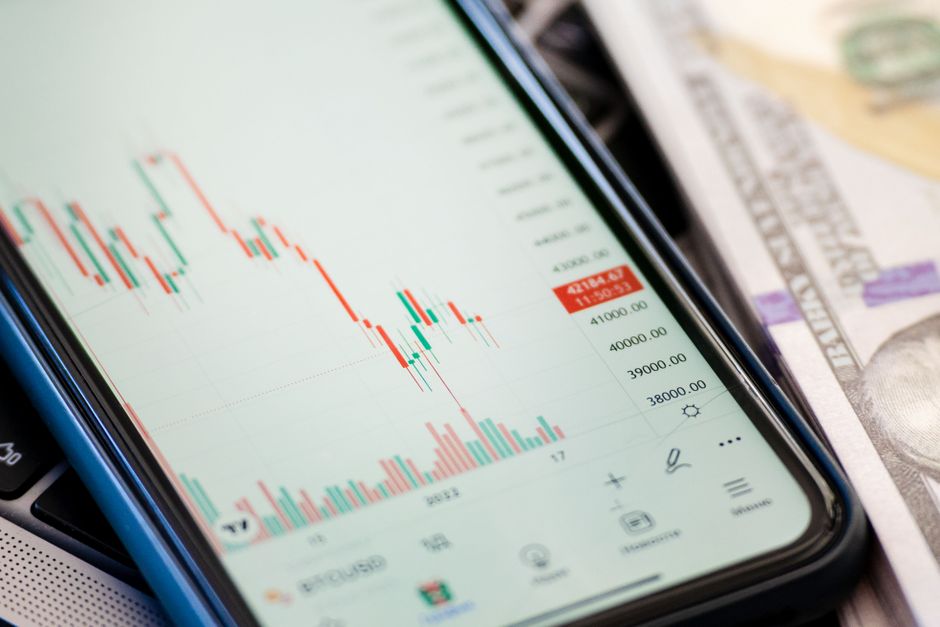
A breakout occurs when a candle closes outside the established high or low. However, a single candle close is not enough to validate a direction. The two-bar confirmation rule requires waiting for the second candle after the initial breakout. The first candle breaks the level. The second candle must also close outside that same level to confirm the strength of the move. If the second candle fails to close beyond the boundary, the move is treated as a failed breakout or a fakeout. This mechanical rule removes the guesswork from the intraday process. It ensures that momentum is sustained rather than just a temporary spike.
Filtering false signals
False breakouts happen when price pierces a level and immediately retreats. By waiting for the close of the second candle, the risk of entering a trap decreases. This method works across different timeframes. Whether using a 15 minute or a 60 minute range, the logic remains identical. The second candle serves as a filter. If the second candle closes back inside the range, the direction is neutralized. The session high or session low might be tested again later, but the initial breakout signal is discarded. This prevents entering a trade during a period of indecision.
Execution and risk management
Execution happens only after the second candle close is confirmed on the chart. A stop loss is placed at the mid-point of the range or the opposite side of the breakout candle. The size of the move depends on the volatility seen during the premarket. If the second candle is excessively large, the risk to reward ratio becomes unfavorable. A mechanical approach requires looking at the candle size relative to the overall opening range. If the breakout candles are too large, the edge is diminished. The rule provides a consistent framework for every session.